Village in the Shade Peaceful Life Mode Explained
Farm, craft, fish, and decorate in Kagatsu without unlocking the village’s darker consequences.
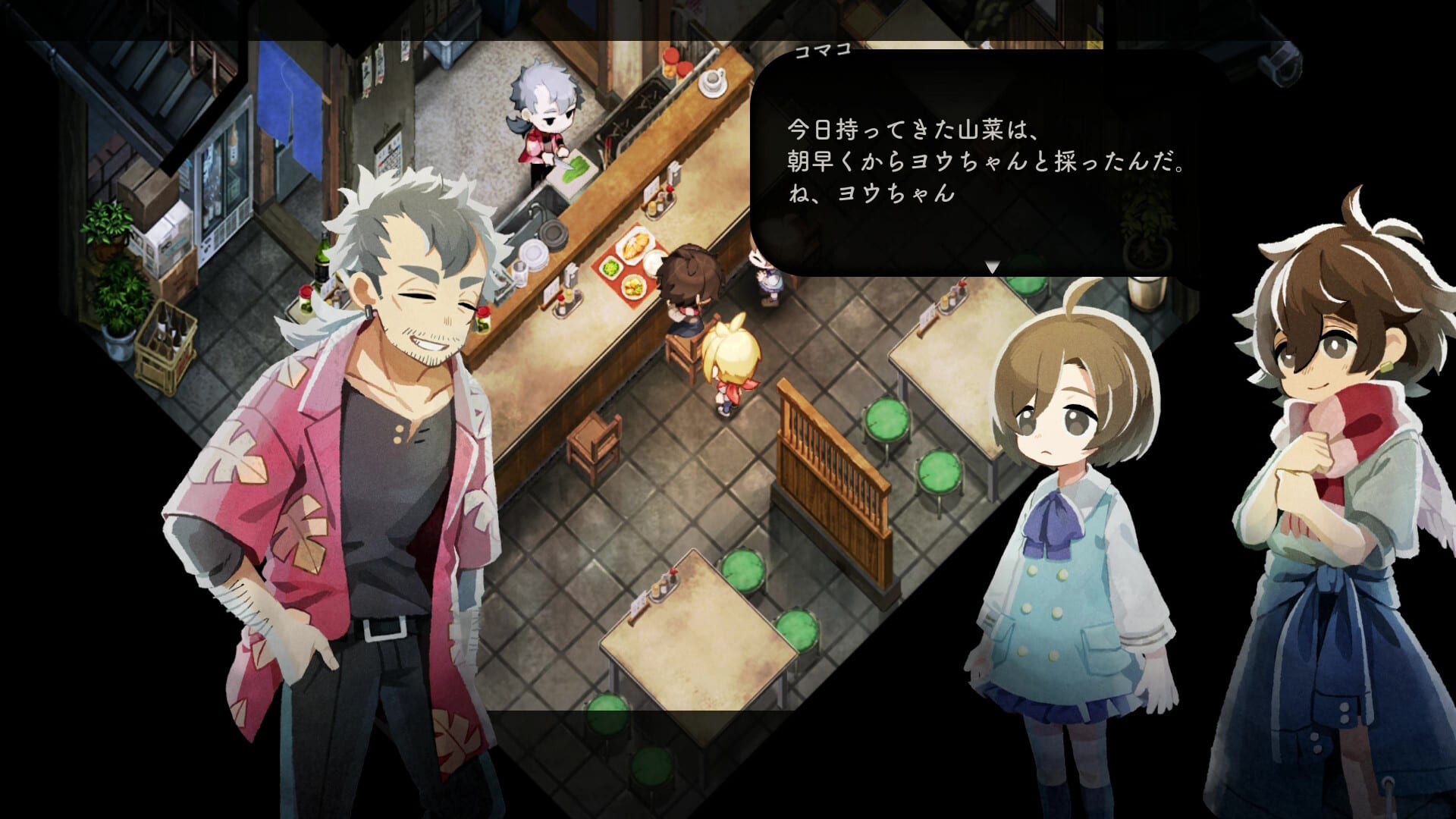
Peaceful Life Mode — also called Safe Living Mode or, in Japanese marketing, あんしん暮しモード — is Village in the Shade’s answer to players who love rural simulation but refuse horror pacing. Nippon Ichi Software built Kagatsu as a place with inherited rules. Standard play lets you break those rules and meet whatever waits after dark. Peaceful Life Mode removes that door entirely: you continue living inside the code, and scary encounters stay off the schedule.
This page explains who the mode is for, what you still get, what you intentionally miss, and how to choose it without regret. Pair it with the mode compare tool and the broader Getting Started plan.
What Peaceful Life Mode actually changes
Publisher and interview coverage is consistent on the headline feature: selecting Peaceful Life Mode at the start keeps you from breaking Kagatsu’s code. Because rule-breaking is the gateway to supernatural pressure, the mode functions as a locked safety rail. You can still till fields, raise animals, fish, hunt where systems allow, craft furniture and fences, decorate a rundown house, and deepen bonds through festivals.
Developers have described the farming simulation portion as substantial on its own — even suggesting players who stay in the safe lane can find a very long playtime focused on layout, crops, and countryside routines. Treat that as design intent rather than a stopwatch challenge.
What you still feel in the village
Peaceful does not mean sterile. Hands-on impressions of safe-mode demos still mention odd countryside details and rule boards that forbid night outings or leaving the village. The atmosphere can feel slightly uncanny even when nothing chases you. That is intentional: Kagatsu is sold as an insular village with customs, not a generic Stardew clone with the serial numbers filed off.
You should still learn the village rules so dialogue and signposts make sense. You should still follow a healthy day loop from farming and homestead. The difference is that the game will not let curiosity rewrite the contract.
Who should choose it
Choose Peaceful Life Mode if any of the following are true:
- You want seasonal farming and decorating as the main product.
- Heartbeat horror, sudden dark screens, or pursuit sequences are deal-breakers.
- You are sharing the screen with younger players or horror-averse friends watching.
- You prefer to experience story unease through dialogue and environment rather than night exploration.
Choose standard play if you specifically want the Yomawari-adjacent tension that Nippon Ichi is famous for, including the option to step outside after curfew for clues, rare night finds, and the risk that comes with them. That path is documented in night exploration.
How to decide on day one
- Watch the official mode introduction (embedded below) so the fantasy is clear.
- Skim the overview and preview for tone expectations.
- Confirm your platform and language needs on release platforms.
- Start a save in Peaceful Life Mode if you feel even slight hesitation.
- Revisit this page only if you later want a second save for standard play — do not assume mid-run conversion without checking the final game’s options menu after launch.
Until post-launch patch notes say otherwise, treat mode selection as a new-game commitment. That is the safest planning assumption for a pre-launch wiki.
Gameplay loop inside the safe lane
Your checklist looks familiar: clear weeds, plant, water, upgrade tools, craft homestead pieces, attend festivals and seasons, and talk to villagers. Use the day-one checklist to avoid burning stamina. Explore the Kagatsu map overview for daytime landmarks only — night routes are irrelevant if the mode blocks rule breaks.
Because horror pressure is gone, optimization becomes creative rather than fearful. Design garden paths, chase livestock goals, and treat festivals as social milestones. If a villager seems secretive, you can enjoy the mystery as flavor without needing a midnight answer.
Marketing mascots versus in-game cast
Japanese promotional videos for the safe mode feature mascot hosts that marketing explicitly notes do not appear in the main game. Do not expect those characters in your save. Your neighbors are the in-world cast described across Characters pages.
Relation to release timing
Peaceful Life Mode is part of the shipped design for the Japan and Asia launch window and the Western Fall 2026 release. Edition purchases on Switch, Switch 2, PS5, or Steam should include access to the mode; confirm on editions and preorders if a SKU description ever lists exclusions.
Bottom line
Peaceful Life Mode is not a “baby difficulty” stigma — it is a parallel product promise: Kagatsu as countryside living simulator. If that is what you wanted when you saw cherry blossoms and riverbanks in the trailer, pick it without guilt. If you came for the shade in the title, keep standard play and study the rules before you step outside.
Return to the Guides hub for the full tutorial set, and keep Updates bookmarked as Western dates firm up.
Frequently Asked Questions
Quick answers about Kagatsu Village life and the wiki.
Does Peaceful Life Mode remove farming content?
No. It focuses on life-sim systems and blocks rule-breaking that leads to horror encounters.
Can I break village rules in this mode?
No. The mode is designed so you cannot break the code, which keeps nights safe.
Is the mode available on all platforms?
It is presented as a core feature for Switch, Switch 2, PS5, and Steam releases. Confirm on your storefront page.
Will I still see eerie atmosphere?
Possibly through environment and writing, but without the full night-horror gameplay loop.
Should horror fans skip this mode?
If you want rule-breaking and night secrets, use standard play and read the night exploration guide.